How Heat Acclimation Boosts VO₂ Max and Performance Longevity: Insights from HEAT 2026
Cardiorespiratory fitness is one of the strongest predictors of both athletic performance and lifespan. At the 10th HEAT International Congress, Dr. Sinthu Kosasih (Dr. K) presented on how heat acclimation raises VO₂ max and protects long-term healthspan.
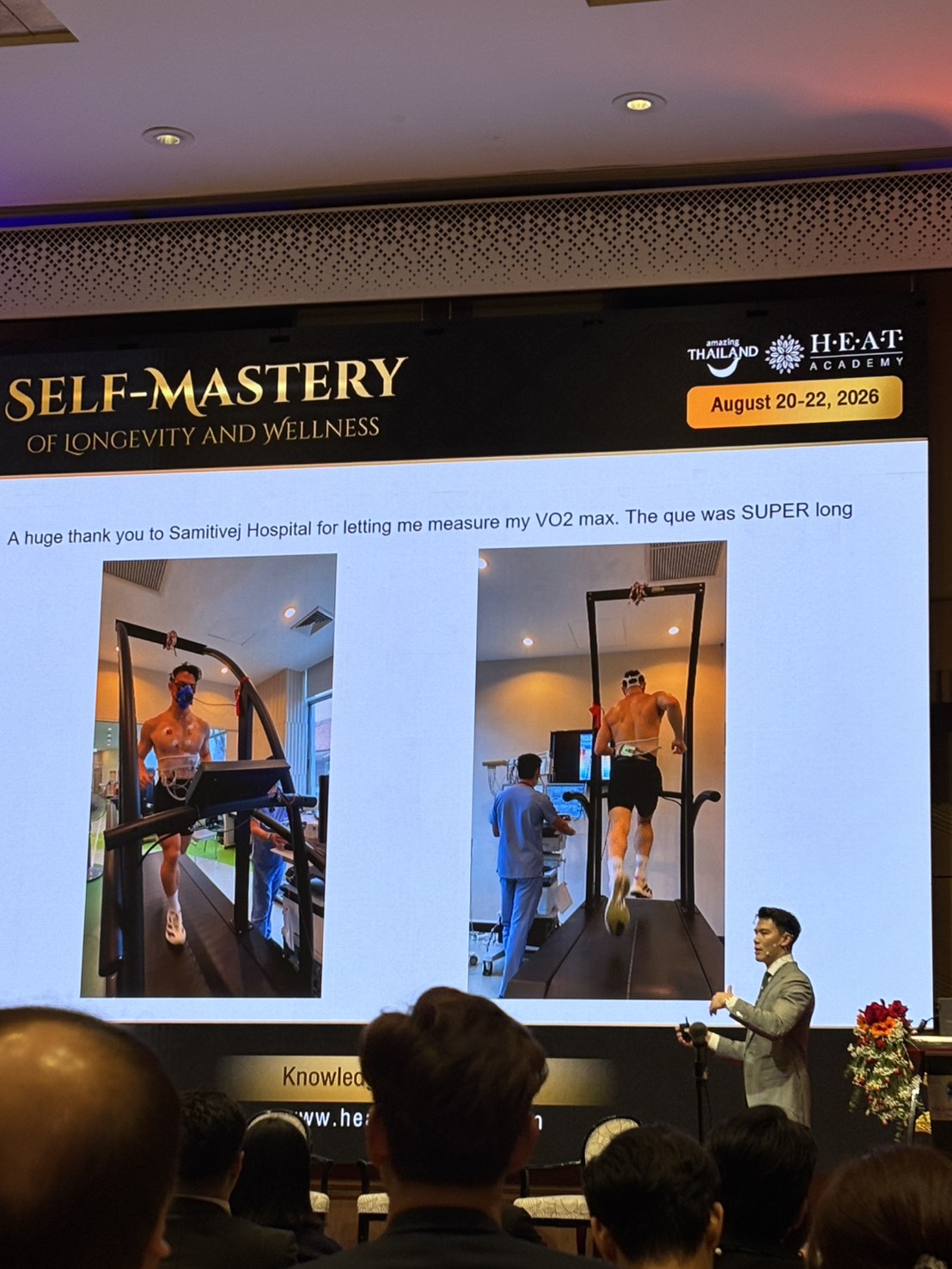
Cardiorespiratory fitness is widely recognized as one of the most critical metrics for both elite athletic performance and overall lifespan. As we age, maximal oxygen uptake (VO₂ max) naturally declines, making targeted interventions essential for preserving physiological capacity.
At the 10th HEAT International Congress — Southeast Asia’s flagship conference for longevity, anti-aging and wellness management — leading clinical experts gathered to present cutting-edge research on healthspan optimization. Dr. K (Dr. Sinthu Kosasih) took the stage to present on exercise precision, heat acclimation and cardiorespiratory peakspan.
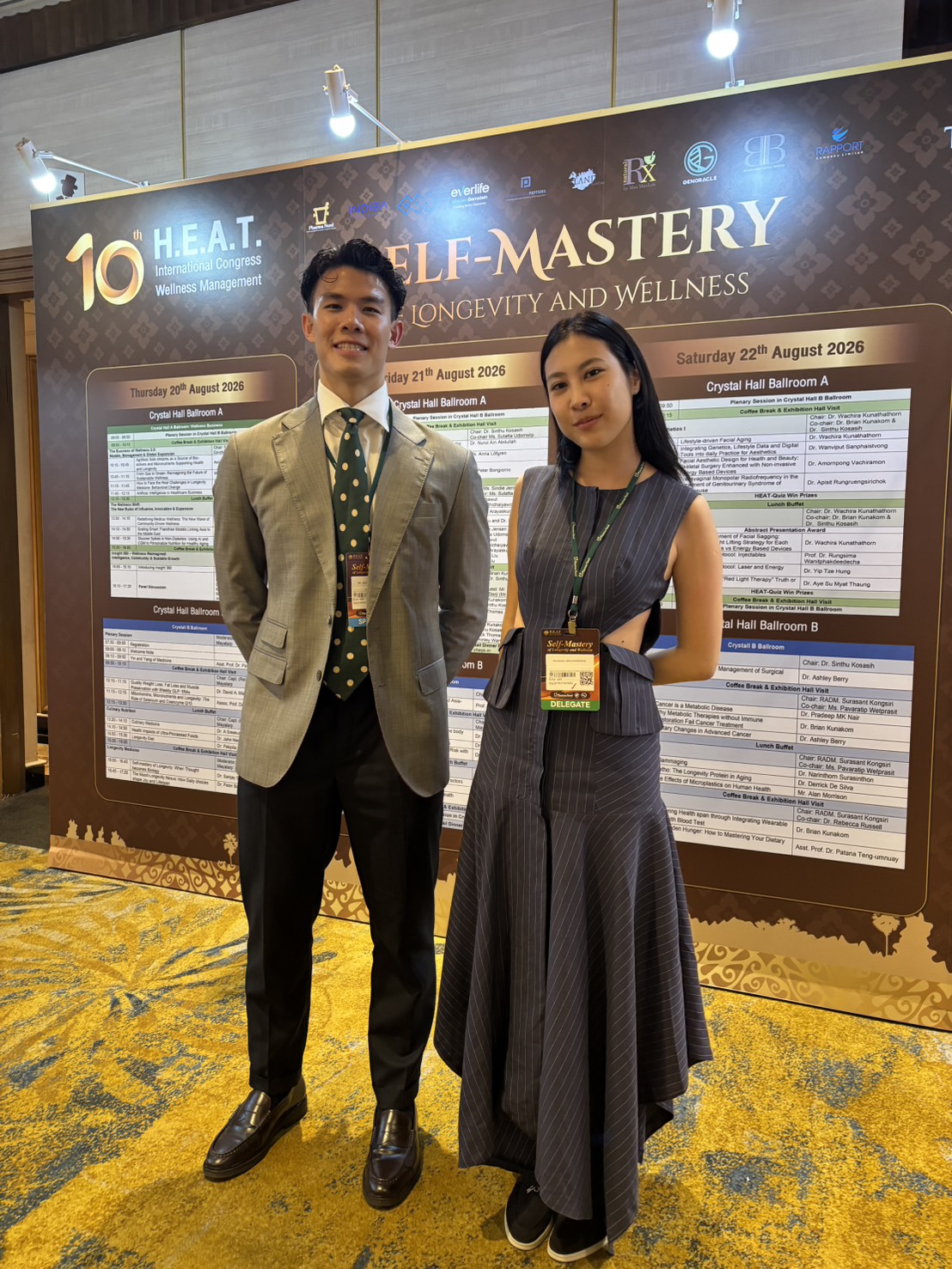
What is heat acclimation?
Heat acclimation refers to the deliberate exposure of the body to thermal stress during physical activity. While training in warm environments increases sweat rate and core body temperature, the true benefits lie in the cascade of internal vascular and biological adaptations that follow.
How heat training enhances VO₂ max and oxygen delivery
During his presentation, Dr. Sinthu Kosasih outlined the key biological mechanisms through which heat acclimation elevates endurance capacity:
- Plasma volume expansion: initial heat exposure causes blood plasma volume to expand, temporarily diluting red blood cell concentration (hematocrit).
- Renal sensing & EPO release: the kidneys sense the decrease in relative hematocrit concentration and respond by producing erythropoietin (EPO).
- Red blood cell production: EPO signals the bone marrow to accelerate the creation of new red blood cells and increase overall hemoglobin content.
- Superior oxygen transport: with a higher concentration of red blood cells, the cardiovascular system can transport significantly more oxygen per cardiac stroke, maximizing overall gas-exchange efficiency.
Preserving cardiorespiratory peakspan against aging
Cardiorespiratory performance typically peaks in late adolescence to early adulthood before entering a gradual decline. Left unmanaged, maximum heart rate and stroke volume decrease by roughly 10% per decade.
By introducing precise thermal-stress protocols alongside structured exercise, individuals can:
- Increase stroke volume — allowing the heart to pump more blood per beat with less cardiovascular strain.
- Lower perceived exertion — adapting the central nervous system to high-intensity exertion under challenging conditions.
- Elevate baseline VO₂ max — naturally boosting the aerobic ceiling and offsetting age-related cardiorespiratory decline.
Bridging advanced longevity science with practical clinical care
This research underscores Menhance’s mission: translating high-level medical research into actionable protocols for physical optimization. By combining clinical precision with proven physiological science, we empower individuals to extend both their performance ceiling and long-term healthspan.
Key takeaways
- VO₂ max is trainable at any stage: thermal adaptation provides a natural stimulus for cardiovascular adaptation.
- Science-backed mechanisms work together: plasma expansion + EPO stimulation = improved oxygen delivery.
- Expert guidance matters: structuring exercise precision and heat protocols ensures maximum physiological return, safely.
To discuss exercise precision, cardiorespiratory assessment and a plan built around your own physiology, speak with our clinical team.
Book a Free Consultation with Dr. KConsult Dr. K
Every case is different. A consultation gives you a plan based on your own assessment.
Book a Free Consultation with Dr. K