Circumcision
Precise adult circumcision with a choice of techniques — cleaner hygiene, lower infection risk and a discreet, refined result.
 Care led by Dr. Chai
Senior Urologist · Siriraj Medical School
Overview
Circumcision is the surgical removal of the foreskin covering the tip of the penis. Chosen for hygiene, medical and cosmetic reasons, it resolves conditions like phimosis and balanitis, lowers the risk of UTIs and STIs, can enhance sexual performance, and delivers a cleaner, more confident look.
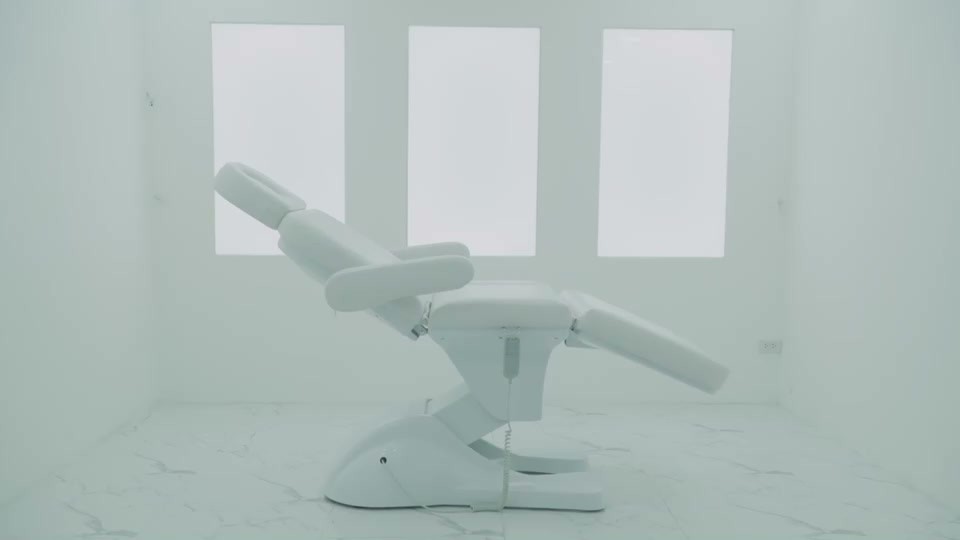
At MENHANCE, procedures are led by expert urologists with 30 years of experience in a private, comfortable setting — performed safely under local anaesthesia in just 20 minutes, with no overnight stay.
We specialize in three high-precision techniques tailored to your anatomy and cosmetic goals:
- Stapler Circumcision: uses a specialized single-use device that cuts and seals simultaneously, leaving an even, circular line with minimal bleeding and fast recovery.
- Running Suture Sleeve Circumcision: uses a single continuous absorbable thread instead of individual knots, eliminating skin puckering for a flatter, smoother scar line.
- Sleeve Circumcision with Subcutaneous Suturing: Dr. Chai's signature technique using hidden, under-the-skin stitches for a virtually invisible, seamless finish.
Book a consultation to discuss Circumcision.
Pain relief: the Penthrox inhaler is available to keep you comfortable during your procedure →
Key benefits
- Lower risk of urinary tract infections, STIs and certain cancers
- Simpler, more reliable everyday hygiene
- Resolves phimosis and recurrent balanitis
- Minimal, barely-visible scarring with subcutaneous suturing
- A clean, uniform, refined cosmetic result
- Quick ~20-minute procedure under local anaesthetic, home the same day
- Performed by a urologist with 30 years of experience
How it works
Circumcision removes the foreskin and seals the edge of skin neatly behind the glans. We offer three proven methods — a stapler technique built for speed and fast healing, a sleeve technique built for the finest cosmetic finish, and a running-suture sleeve that closes with a single continuous absorbable thread — so the approach fits your anatomy and what matters most to you.
Subcutaneous suturing
This is what sets MENHANCE apart. Dr. Chai buries every suture beneath the surface, inside the dermis, so there are no visible stitches: the skin heals smooth and flat, with a refined, barely-visible line.
Your method is matched to your anatomy and goals — each is performed under local anaesthetic, with no overnight stay.
| Technique | How it closes | Finish | Best for |
|---|---|---|---|
| Stapler | Single-use device cuts and seals in one step | Even, circular line · minimal bleeding | Speed and the fastest recovery |
| Running Suture Sleeve | One continuous absorbable thread, no individual knots | Flat, smooth scar — no skin puckering | A seamless, knot-free line |
| Sleeve + subcutaneous suturing Dr. Chai’s signature | Hidden stitches placed under the skin | Virtually invisible, seamless | The finest cosmetic finish |
Running Suture Sleeve Circumcision
Seamless cosmetic finish with continuous absorbable stitching.
Upgrade your personal health and aesthetic standard with the Running Suture Sleeve Circumcision. This technique combines precise sleeve resection with a single, continuous absorbable thread (running suture). By eliminating individual suture knots along the wound line, it delivers a flat, smooth and natural post-healing finish.
Why choose the running suture sleeve technique?
- Seamless cosmetic finish: prevents hard skin puckering and raised suture knots along the scar line.
- Balanced tension distribution: the continuous thread spreads skin tension evenly around the shaft, reducing localized swelling and post-op tightness.
- Tailored aesthetic line: precise skin measuring preserves natural proportions while discreetly hiding the incision line.
- Comfortable, no-removal healing: premium medical-grade absorbable sutures dissolve naturally, so there are no stitches to remove.
- Pre-op consultation and aesthetic mapping with a specialist doctor
- Complete surgeon and surgical-assistant fees
- Sterile local anaesthesia and medical-grade operating setup
- Complete home recovery (aftercare) kit
- Dedicated remote & on-site post-op follow-up consultations
The treatment, step by step
- Consultation & planningYour urologist examines your anatomy, discusses your goals and health, and recommends the technique — stapler for fastest recovery, sleeve for the finest cosmetic finish, or a running-suture sleeve for a knot-free, seamless line.
- Local anaestheticThe area is cleaned and numbed with local anaesthetic, so you stay awake and comfortable throughout with no need to be put to sleep.
- The procedureThe foreskin is removed using your chosen technique. The stapler seals the edge with a ring of staples; the sleeve technique is closed with Dr. Chai's subcutaneous sutures, hidden beneath the skin.
- Dressing & aftercare briefA light dressing is applied and you're given clear aftercare instructions, prescribed ointment and pain relief. The whole visit takes around 20 minutes of procedure time.
- Recovery & follow-upYou go home the same day. Mild swelling settles over the first few days, with overall healing around four weeks, supported by a follow-up check.
Why men choose MENHANCE
Who it's for
- Adults and adolescents in generally good health
- Men with phimosis (a foreskin too tight to retract)
- Men with recurrent balanitis or foreskin infections
- Anyone wanting simpler, more reliable hygiene
- Men seeking a cleaner, more uniform appearance
- Those choosing circumcision for personal, cultural or medical reasons
Your surgeon
Dr. Teanchai Siricharoensang — “Dr. Chai”
Senior urologist with 30 years’ experience, including 13 at Samitivej Hospital. MD from Siriraj Medical School and a member of the Thai and American Urological Associations. He performs circumcision himself — finishing the sleeve technique with his signature hidden subcutaneous suturing for the smoothest, most discreet result.
Frequently asked questions
Does it hurt, and will I be awake?
The procedure is done under local anaesthetic, so the area is fully numbed and you stay awake and comfortable throughout — there's no need for general anaesthesia. Mild swelling or tenderness in the first few days afterwards is normal and managed with prescribed pain relief.
What is recovery like?
Most men return to light daily activities within days. The stapler technique typically heals fastest, with overall recovery around four weeks. Keep the area clean, apply the prescribed ointment, wear loose clothing, avoid strenuous activity and heavy lifting, and abstain from sexual activity until you're fully healed.
When can I have sex or swim again?
Abstain from sexual intercourse and masturbation for 4–6 weeks, or until cleared by your doctor. For the first 7 days, keep the wound completely dry. From day 8 to day 10 you can shower normally, but do not rub the wound. After day 10, gently washing the area with soap helps the staples loosen and fall away more easily. Avoid swimming pools, baths, hot tubs and saunas until fully healed (about 4 weeks). With the stapler technique, staples detach naturally within 3–4 weeks, and a dressing follow-up is arranged 2–3 days after the procedure.
Which technique is better — stapler or sleeve?
Neither is universally "better"; they suit different priorities. The stapler is minimally invasive with reduced bleeding and the fastest healing. The sleeve technique allows greater customisation for complex anatomy, revision cases and aesthetic refinement, and is finished with Dr. Chai's subcutaneous suturing for a barely-visible scar. Your urologist recommends the right one at consultation.
Do the staples need to be removed?
With the stapler technique the staples usually fall away on their own as the skin heals. If any are still on the skin after one month, they should be removed at a clinic. If you come back to MENHANCE we take them out for free; otherwise a local clinic can remove the remaining staples for you.
Will there be a visible scar?
With Dr. Chai's subcutaneous suturing, every stitch is placed beneath the skin, so there's no visible row of stitches — the area heals to a smooth, flat, barely-visible line.
Are there risks?
Circumcision is a well-established, low-risk procedure. Possible risks such as infection, bleeding or a reaction to the anaesthetic are uncommon and are further minimised in the hands of a urologist with three decades of experience. You'll receive clear aftercare guidance and a follow-up to support safe healing.
Is it suitable for everyone?
It's suitable for most adults and adolescents in good health, but candidacy depends on your individual health, anatomy and goals. The right approach — and whether circumcision is right for you — is confirmed at your consultation.
Related treatments
Take the first step
Fill in the form and we’ll confirm within one business day. Private and confidential, at all three clinics.
Aftercare
This is general guidance. Always follow the specific instructions your doctor gave you. If you are worried about anything, contact the clinic.
After Staple Circumcision — what should I do?
- Days 1–7: keep completely dry — no showering the area, sponge bath only
- Days 8–10: shower normally but do not rub or scrub the incision or staple ring · pat dry
- After day 10: wash gently with mild soap, including gently rubbing around the ring to help it loosen
- Staple ring falls off naturally in 2–4 weeks · if still attached at 4 weeks, come in for removal
- Supportive underwear, penis pointed upward, helps reduce swelling
- pain not relieved by medication
- excessive or rapidly expanding swelling/bruising
- persistent or heavy bleeding
- increasing redness, warmth, pus or foul-smelling discharge
After Stitched (Sutured) Circumcision — what should I do?
- Keep the site clean and completely dry for 7 days — no water contact
- If the dressing becomes wet, dirty or loose, contact the clinic
- After day 7: normal showering may resume unless told otherwise
- Absorbable Vicryl sutures — no removal needed, dissolve over ~60–90 days
- Suture fragments becoming visible as they dissolve is normal
- pain not relieved by medication
- excessive or rapidly expanding swelling/bruising
- persistent or heavy bleeding
- increasing redness, warmth, pus or foul-smelling discharge
Questions about your recovery? Call us on 097 168 4448 · WhatsApp